
Introduction
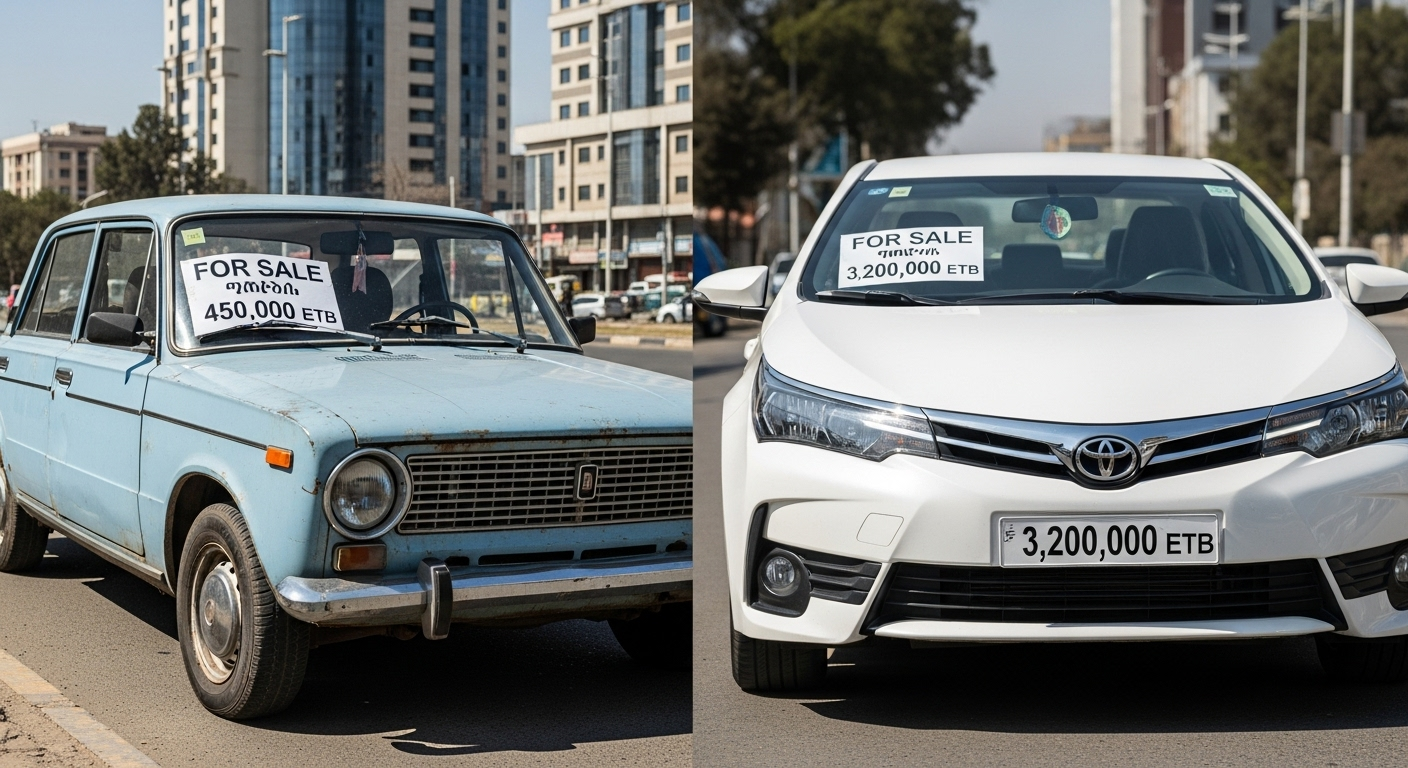
Used car price in Ethiopia, it mean how much buyers pay for secondhand vehicles in market or online in Ethiopia. It matters because cars are not just a luxury things here. For families, it means mobility. For small businesses, it means transport and delivery.
Used Car Price in Ethiopia — Overview & Context
Several things push prices up or down.
-
Import duty and taxes add a big cost on every imported car.
-
Exchange rate changes affect how much a car costs in Ethiopian birr.
-
Supply and demand matter too. More buyers than cars? Prices climb.
-
Government rules also shape the market. Recent policies even encourage electric vehicles.
Because for this reasons, pre-owned vehicles in Ethiopia normally cost more than we think. That is why people search for cheaper options and always compare prices before buying.
Current Market Snapshot: Trends & Data on Used Car Prices in Ethiopia
Market Size, Growth & Forecast
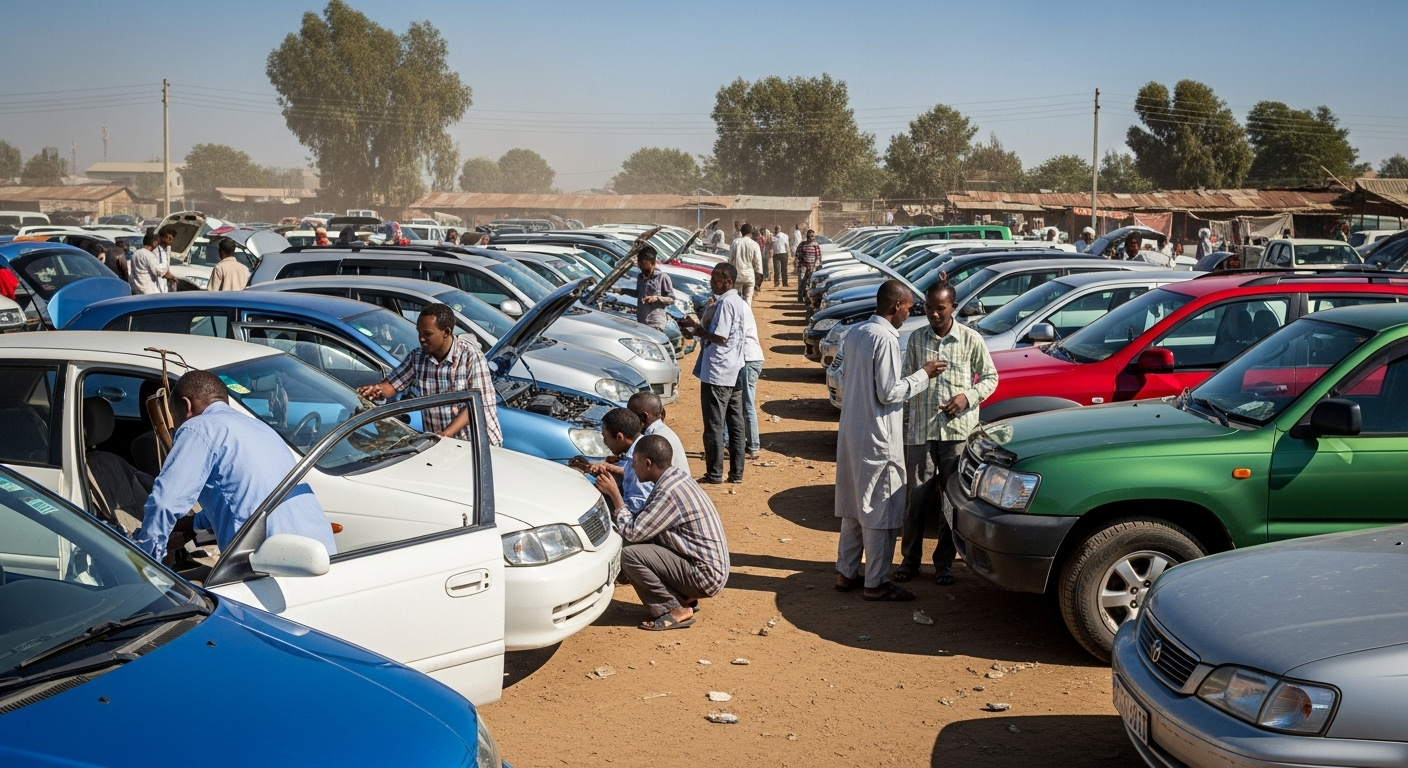
The Ethiopia used car market size was around USD 480 million in 2024. Reports say it could grow slowly each year, reaching about USD 570 million by 2032. If we convert that into local money, that is roughly ETB 70 billion now and could pass ETB 80 billion in the future. This shows how big the secondhand car market in Ethiopia already is.
But the value in dollars is not the full story. Local people buy with birr, and the exchange rate keeps changing. A weaker birr makes imports more expensive. That is why used car prices in Ethiopia feel high compared to average incomes.
Price Ranges by Category
Prices always depend on the type of car. Here is a some points:
-
Low-end cars (small hatchbacks, compact EVs):
Usually ETB 1.8M – 3M. Good for budget buyers who just need daily transport. -
Mid-range cars (Toyota Corolla, small SUVs like Creta or Rush):
Often ETB 3M – 8M. These are the most popular in the used car price Ethiopia market. -
Luxury cars and big SUVs (Land Cruiser, Prado):
Can cost ETB 15M – 20M+. These hold value but are out of reach for most buyers.
Local listings show these prices on sites like Jiji, Engocha, and Mekina. Final prices may change after negotiation, dealer fees, or bank loans.
Price by Vehicle Age, Mileage & Condition
The age of a car is one of the biggest factors in the used car price Ethiopia market.
-
3–5 years old: Still fairly new. Prices stay high because demand is strong. A 4-year-old Corolla can cost almost the same as a new one.
-
6–10 years old: Prices start to drop more. Buyers worry about repair costs. But if the car is well kept, it can still fetch a solid price.
-
10+ years old: Big price cut. Many cars in this band sell cheap, but maintenance costs are high. Older vehicles lose value quickly.
Mileage also matters.
-
Low mileage (under 80,000 km) means better resale value.
-
Medium mileage (80,000–150,000 km) is common and lowers the price.
-
High mileage (over 150,000 km) pushes the price down sharply.
Condition is the deal breaker. A clean, well-maintained car sells fast. A car with accident history, worn tires, or engine issues loses thousands in value.
Price by Vehicle Type & Fuel Type
Different vehicle types selling in different prices in Ethiopia.
-
Sedans: Toyota Corolla and similar models are king. Affordable also easy to maintain.
-
SUVs: Toyota Prado, Land Cruiser, RAV4. Prices are high because SUVs handle Ethiopian roads better. Many cost millions more than sedans.
-
Hatchbacks: Small cars like Vitz are cheaper. Great for city driving and fuel savings.
-
Pickups: Hilux and D-Max are popular for business. Prices stay high because they are workhorses.
Fuel type also shapes cost.
-
Petrol: Mostly common over the world.
-
Diesel: Popular for pickups and SUVs.
-
Hybrid / Electric: Getting attention because of new policy support. Imports are still limited, but demand is rising as fuel prices grow.
Key Factors Affecting Used Car Prices in Ethiopia
Import Duties, Taxes & Customs Regulation
Taxes are the number one reason secondhand cars in Ethiopia cost so much. When a car enters the country, it faces:
-
Customs duty (often 30%+ of the car’s CIF value).
-
Excise tax (based on engine size and age).
-
VAT (15%) on the total after duty.
-
Surtax and other small fees.
These charges stack up. A car worth USD 10,000 abroad can cost more than double once it lands in Ethiopia. Government rules also play a big role. Ethiopia has recently restricted imports of old combustion cars and is encouraging electric vehicles. This makes certain used cars harder to import, which pushes up local prices.
Exchange Rate & Foreign Currency Constraints
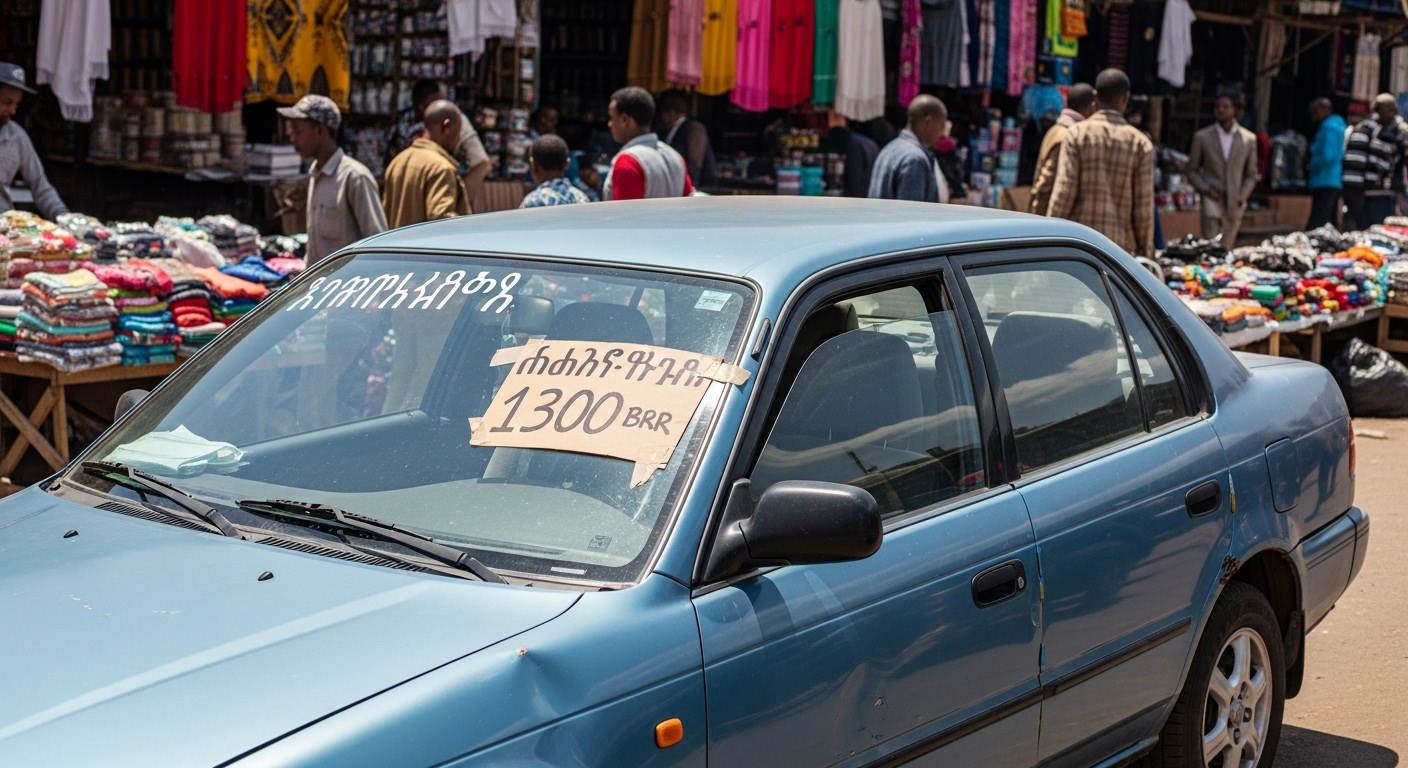
The value of the Ethiopian birr has a direct impact on the used car price Ethiopia buyers pay. When the birr weakens against the USD, importers need more local currency to buy the same car abroad. That higher cost is passed straight to buyers.
Foreign currency shortages make things worse. Importers often struggle to access enough dollars. This delays shipments and raises final costs. In short, Birr to USD used car cost keeps climbing whenever the exchange rate drops.
Supply-Side Constraints, Scarcity & Demand Pressures
The supply of quality secondhand cars in Ethiopia is limited. Most cars come from imports, and the numbers are not enough to meet demand. Scarcity pushes prices higher. Buyers often compete for the same models, especially Toyota sedans and SUVs. There are also risks. Odometer fraud in Ethiopia is a known issue, with sellers rolling back mileage to inflate prices.
Smuggling and informal imports reduce trust and make the market less transparent. At the same time, demand is growing. Ethiopia’s middle class is expanding, and more people want reliable personal cars. This pressure keeps the used car scarcity Ethiopia story alive.
Infrastructure, Parts Availability & Maintenance Costs
Buying a car is one thing. Keeping it on the road in Ethiopia is another. Spare parts are often hard to find or expensive. Many used cars need imported parts, and delays raise costs. Road conditions also take a toll. Poor roads wear down tires, suspensions, and engines faster.
That adds to the car repair cost Ethiopia buyers face every year. Older vehicles need more servicing, and mechanics charge more for rare parts. This makes vehicle maintenance in Ethiopia a big factor in overall ownership cost.
Policy & Regulatory Risk, Import Bans & Transition to Electric Vehicles
Government policy can change the market overnight. Recently, Ethiopia announced restrictions on importing petrol and diesel cars, pushing for electric vehicles instead. This EV import policy is meant to cut fuel demand and support green energy. For buyers, this creates risk. Some worry about buying a petrol car now if its value will drop later.
Others see opportunity, as used electric vehicles may gain value with tax breaks and incentives. The future of the used car market Ethiopia is tied closely to these rules. Policies will decide which cars are affordable, which are banned, and which hold their value.
Sample Price Benchmarks: Real Offers & Listings
Local Marketplace Snapshots (Jiji, Hulumarket, etc.)
To understand the used car listings in Ethiopia, it helps to look at real offers from platforms like Jiji Ethiopia and Hulumarket. Below are some recent examples:
-
Toyota Hilux 2015 – ETB 4,700,000 – in Good condition, diesel, Addis Ababa (Jiji Ethiopia).
-
Toyota Vitz 2004 – ETB 2,100,000 – Small hatchback, popular for city use (Hulumarket).
-
Hyundai Creta 2019 – ETB 3,900,000 – Mid-size SUV, well-kept interior (Jiji Ethiopia).
-
Toyota Corolla 2016 – ETB 3,500,000 – Petrol sedan, medium mileage.
-
Toyota Land Cruiser Prado 2012 – ETB 9,800,000 – Full-option, diesel, in Addis Ababa.
-
Hyundai Sonata 2017 – ETB 3,200,000 – Sedan, automatic, fair mileage.
-
Toyota Rush 2020 – ETB 4,500,000 – Compact SUV, family-friendly.
-
Toyota Camry 2014 – ETB 2,900,000 – Petrol, reliable sedan option.
These show the wide spread in Jiji Ethiopia car prices and Hulumarket used car Ethiopia listings. A compact hatchback costs around ETB 2M, while SUVs and pickups go beyond ETB 4M+.
Price Comparison Across Regions / Cities
Prices are not the same everywhere.
-
In Addis Ababa, prices are generally higher then other cities. Importers and dealers are based in the capital, and demand is most strongest there.
-
In regional towns (like Bahir Dar, Hawassa, Mekelle), prices may be lower for sedans but sometimes also higher for SUVs because of transport from capitals.
-
Transport costs and logistics add up the price also. Moving a vehicle from Djibouti port to Addis already adds thousands. Sending it further to regional towns pushes the cost higher.
So while used car price Addis Ababa is on market demand, buyers outside the city sometimes pay more for transport from other city.
Historical Price Trend (Past 3–5 Years)
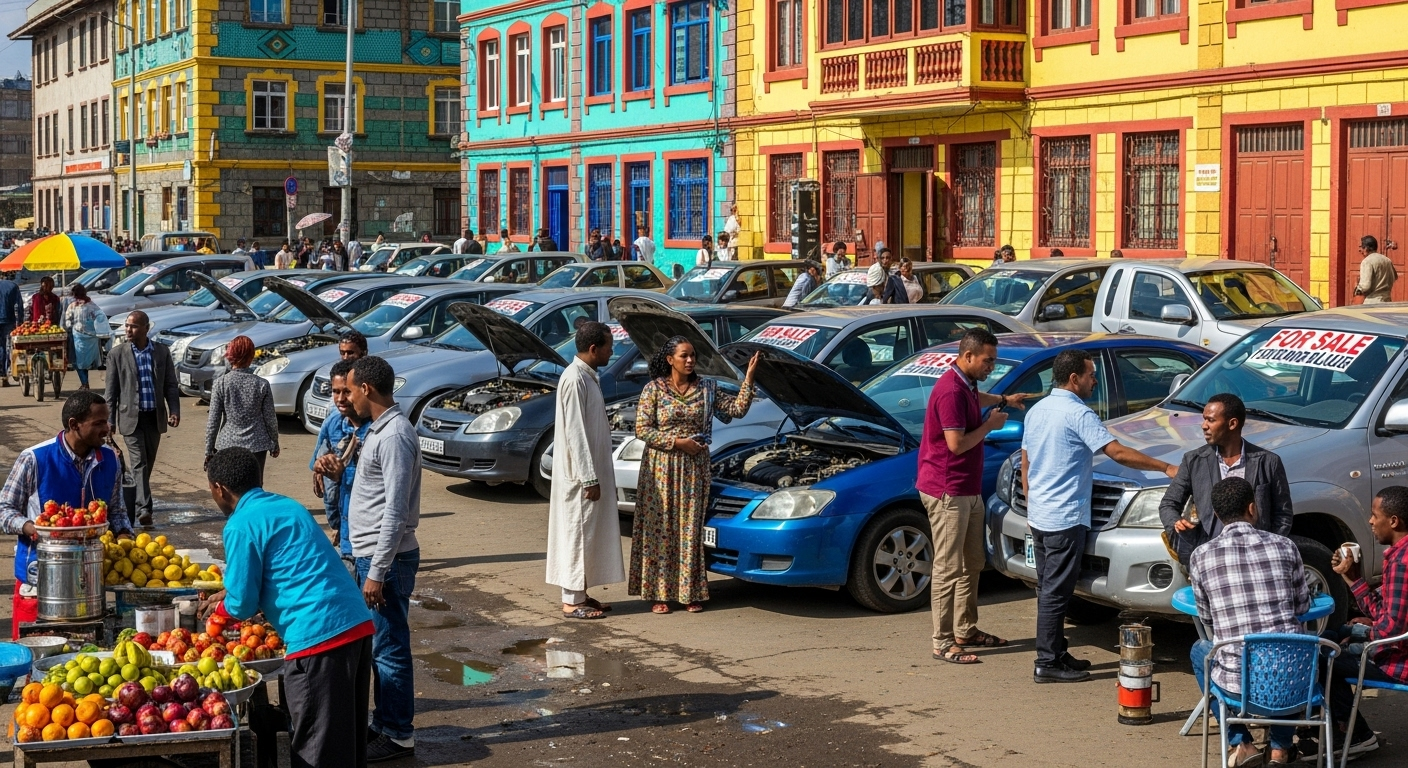
The used car price trend in Ethiopia has been moving fast up year after year.
-
A Toyota Vitz 2004 that sold for around ETB 900,000 in 2020 now sells for ETB 2M+ in 2024.
-
A Toyota Corolla 2010 used to be ETB 1.5–1.8M. Today, it’s closer to ETB 3–4M.
-
SUVs like the Prado have nearly doubled in five years. A 2012 model once cost ETB 5–6M. Now it’s often ETB 9–12M.
The rise is linked to birr depreciation, higher import duties, and growing demand. Local reports (such as birrmetrics.com) highlight how even very old cars keep climbing in price.
How to Estimate & Evaluate a Used Car’s Price (for Buyers / Sellers)
Key Value Drivers to Inspect
Before buying or selling, check the factors that shape used car valuation in Ethiopia:
-
Mileage – Lower mileage means higher value.
-
Maintenance history – Service records and regular oil changes add trust.
-
Accident or damage history – Even small crashes lower resale value.
-
Ownership – Fewer owners means better price.
-
Original specs – Imported full-option models fetch more than stripped-down versions.
Always do a car inspection Ethiopia style checkup. A small issue today can cost millions later in repairs.
Using Online Tools, Comp Listings & Price Calculators
There is no official used car price calculator in Ethiopia yet. But you can still benchmark prices.
-
Check similar listings on Jiji Ethiopia, Hulumarket, and Engocha.
-
Compare by year, mileage, and condition.
-
Use global tools like Kelley Blue Book for rough guidance, but remember Ethiopian taxes and duties make cars much more expensive locally.
By matching your car against benchmark car listings Ethiopia, you can set a fair price or negotiate better.
Negotiation Tips & Common Pitfalls
Buying or selling a used car in Ethiopia always involves negotiation to each others.
-
Buyers every time look after small scratches or high mileage to bring the price down.
-
Sellers highlight new tires, recent service, or “no accident” claims to keep the value high.
But there are risks too. Used car fraud in Ethiopia is common.
-
Some sellers roll back the odometer to show lower mileage.
-
Others hide accident damage or engine problems.
-
Fake paperwork and missing import records can also trap buyers.
If you’re negotiating, always do a proper inspection and check the documents twice. A good rule: don’t rush, don’t trust without proof.
Strategies to Save Money & Secure a Better Deal
Buying Slightly Older but Reliable Models
The smartest way to save is to look for slightly older cars that are still reliable for daily life use. A 6–8 year-old Toyota Corolla or Vitz, for example, is far cheaper than a 2–3 year-old model. Yet it can run smoothly for many years with proper care and personal use in one hand. This balance between depreciation and reliability helps buyers avoid overpaying while still getting a solid car.
Import via Trustworthy Channels or Inspection Before Import
Some buyers prefer to import directly instead of buying locally. This can save money but only if done safely. Always use trustworthy import agents. Check the VIN number, the import paperwork, and compliance with Ethiopian rules.
If possible, get a pre-import inspection done abroad. It’s better to pay a little extra upfront than to face hidden engine issues later.
Leverage Financing, Leasing & Trade-In Options
In Ethiopia, car loans are limited, but some banks and dealers offer used car financing.
-
A used car loan spreads the cost into monthly payments.
-
Some dealers sometime provide leasing options, but this make rates high.
-
Trade-in deals let you swap your old car for credit on a new one.
Timing Your Purchase (Seasonal, Exchange Rate Dips)
Timing matters.
-
Buy when car demand is low, like after big holiday seasons, when sellers are try simple deals.
-
Watch the exchange rate. If the birr gains slightly against the dollar, imported car prices may ease.
-
Dealers sometimes cut prices at the end of the year to clear stock.
Waiting for the best time to buy a car in Ethiopia can save hundreds of thousands of birr.
Risks, Challenges & Future Outlook
Risks and Pitfalls in the Used Car Market
The used car market in Ethiopia is not without risks.
-
Fraud is a major problem. Odometers are rolled back. Fake papers are common.
-
Lack of transparency makes it hard to know a car’s true history.
-
Weak regulatory enforcement means shady dealers can operate without much control.
-
Spare parts shortages add more pain. A small breakdown can turn costly if parts are unavailable.
Because of these issues, used car risk Ethiopia remains high. Buyers must stay alert to avoid scams and hidden costs.
Impact of Electric Vehicle Transition
Ethiopia is moving toward electric vehicles (EVs). Import restrictions on petrol and diesel cars are already in place. This raises questions. Will used ICE cars (internal combustion engine) lose value faster? Possibly yes, especially older high-engine models.
On the other hand, used EV Ethiopia price may rise in the short term. Demand for EVs is growing, and government incentives make them attractive. Still, EV infrastructure is limited. Charging stations are few, and maintenance knowledge is low. This means the transition to electric cars Ethiopia will take time.
Regulatory Predictions & Market Reforms
The future of the used car policy Ethiopia is tied to government reform.
-
New vehicle import regulations may set stricter age limits on cars.
-
Emission rules could ban very old or polluting engines.
-
More incentives may come for EVs, hybrids, and fuel-efficient models.
All this will affect how prices move. Buyers may see future car prices Ethiopia shift quickly if new bans or tax changes are introduced.
Summary & Key Takeaways
The used car price in Ethiopia is separate by many factors: import duty, exchange rate, supply and demand, and new regulations.
Price ranges today:
-
Small hatchbacks: ETB 1.8M – 3M
-
Sedans / mid SUVs: ETB 3M – 8M
-
Luxury SUVs: ETB 15M – 20M+
Quick cheat sheet:
-
A 3–5 year-old Toyota Corolla → ETB 3.5M – 5M
-
A 10-year-old Toyota Vitz → ETB 1.8M – 2.3M
-
A mid-age Hilux pickup → ETB 4M – 6M
-
A Prado or Land Cruiser → ETB 9M – 20M+
Advice for buyers and sellers:
-
Always check mileage, service records, and accident history.
-
Compare listings on Jiji, Hulumarket, and Engocha.
-
Get a mechanic’s inspection before paying.
-
Watch out for fraud and hidden defects.
The Ethiopian secondhand car market is growing, but it is also risky place. Stay informed, negotiate smartly, and buy safely used car.
Call to Action:
If you’re looking for your next car, check trusted used car listings Ethiopia, compare prices, and never skip a proper inspection.
FAQs
1. What is the average price of a used car in Ethiopia?
Most used cars cost between ETB 1.5M and 2M. Small hatchbacks are cheaper. SUVs and pickups cost more. High import taxes make prices higher than in other countries.
2. How much do import duties and taxes increase the cost?
Taxes and duties can double a car’s price. You pay customs duty, excise, VAT, and handling fees. A $10,000 car abroad can cost over ETB 2.5M in Ethiopia.
3. Does car age or mileage matter more?
Both affect price, but age matters more. Cars 3–5 years old sell for higher prices. Older cars lose value faster. Low mileage helps. But a well-maintained older car can still be a good buy.
4. Are used electric vehicles (EVs) priced differently?
Yes. EVs cost more than petrol cars. Government incentives make them more attractive. Charging stations are few, so resale value is still unclear.
5. How can I check if a used car price is fair?
Compare similar cars on Jiji Ethiopia, Hulumarket, and Engocha. Check mileage, service history, and accident records. Always get a mechanic inspection before buying.